Money Tree for Sale: What Buyers Should Verify
A money tree listing can mean one braided trunk or a crowded nursery pot. Check leaf firmness, roots, and handoff terms before the price looks fair.
By Alex Turner
Plantsnearby is reader-supported. As an Amazon Associate we earn from qualifying purchases. Learn more.
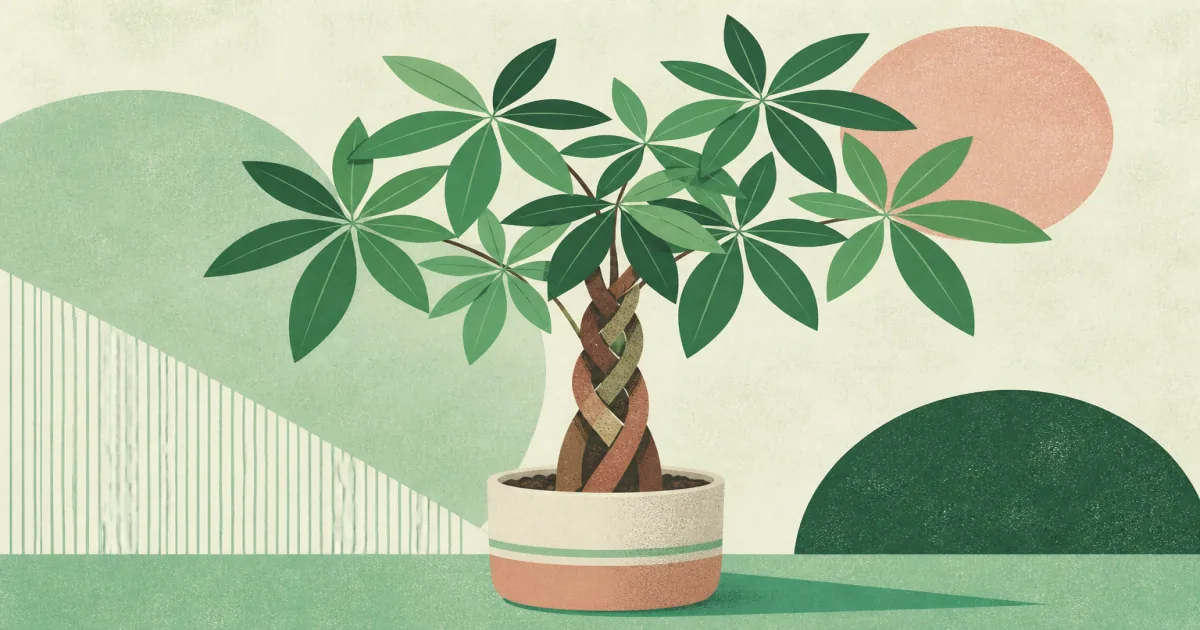
The short answer: A good money tree for sale listing shows the exact Pachira plant, firm leaves, a clear view of the trunk or braid, and pickup or shipping terms that match the plant’s height and softness.
Money tree usually means Pachira aquatica, the braided trunk plant people buy as a gift or desk centerpiece. That is not the same product as a Chinese money plant for sale listing, which is Pilea. Buyers get frustrated when those names get mixed up in search, so confirm the leaf shape before you compare prices.
This guide is for buyers first. Sellers can borrow the same photo and label checklist so the listing matches what shows up at pickup. On Plantsnearby, we like money tree listings that read like a product page: size, form, condition, and a handoff plan you can understand on the first read.
Confirm you are buying Pachira, not Pilea
Look at the leaves. Money tree leaves come in groups of several leaflets on one stalk. Chinese money plant leaves are round and coin-shaped on thin petioles. If the photos look like Pilea, you are not looking at a money tree deal, no matter what the title says.
Ask the seller to name the plant plainly. “Money plant” is too vague. “Pachira aquatica, braided, about 24 inches in nursery pot” is a listing. That clarity also helps when you compare several options side by side.
If you want a beginner green plant and the seller is mixing names, pause. Read beginner houseplants and buy houseplants online for broader shopping habits, then come back to the exact specimen.
Check the trunk, braid, and pot base
Braided money trees look fancy in a hero photo, but the useful details sit lower. Ask for a full-height shot and a closer view of the braid near the soil line. You want to see whether the stems look firm, whether the braid is one plant or several thin plants twisted together, and whether the base feels stable in the pot.
Soft or wrinkled stems near the soil are a bigger warning than a few older yellow leaves. A lean that cannot stand without the photo angle propped against a wall also deserves questions. Tall plants in soft mix tip easily in transit, so the seller should say how they brace the trunk for shipping or how they expect you to carry it at pickup.
Do not pay for “lucky braid” marketing alone. Pay for a plant with firm growth and a pot that actually holds it upright.
Judge leaf condition in daylight photos
Healthy money tree leaves look glossy and firm, not limp or heavily spotted. A few older yellow leaves at the bottom can be normal. Widespread yellowing, sticky residue, or fine webbing are not.
Ask for a daylight photo without heavy filters. Gloss can hide dust, mite damage, or pale new growth. If the listing only shows one dramatic angle against a white wall, request a wider shot that includes the whole canopy and the pot rim.
If you already own other houseplants, quarantine still matters. Keep the new arrival separate for a week or two and check undersides. Our quarantine new plants guide covers a simple isolation setup.
Decide what size and form you actually want
Money tree listings usually fall into a few buckets:
- Small desk plant in a nursery pot
- Mid-size braided plant for a side table
- Tall floor plant with a heavier pot
- Occasional cutting or starter with no braid yet
All four can be fair buys. They should not share one price band. A tall floor plant needs stronger packing and a safer pickup plan than a compact desk plant. A starter without a braid can still grow into a solid plant if roots are healthy and the seller is honest about the stage.
Ask for height measured from soil to the top of the canopy, not from the floor to a decorative basket. Pot diameter helps too. Vague “large” language is how buyers end up surprised.
Pickup and shipping for money trees
Local pickup is often smarter for taller plants. You can check lean, soft stems, pests, and whether the pot is top-heavy before you commit. Bring a box or tote that keeps the plant upright, and avoid leaving it in a hot car.
Shipping can work for compact plants in mild weather. Ask how the seller braces the trunk, cushions the canopy, and handles weather holds. Soft leaves bruise in loose packing. Wet soil in a sealed bag can rot the base during a long truck ride. If you want the packing questions in one place, read how to ship plants.
International and long-distance rules vary. We do not invent phytosanitary permits here. If a seller cannot explain legal shipping to your region, do not force the deal.
What sellers should show
Sellers can make money tree for sale listings easier to trust with a short gallery:
- Full plant height in ordinary light
- Close view of the braid or trunk base
- One leaf underside check when pests are a common concern in your area
- Pot size and approximate height in plain numbers
- Pickup window or packing note in two sentences
That is enough for most buyers to decide without ten back-and-forth messages. It also reduces the chance someone shows up expecting a tall floor plant when the listing is a small desk specimen.
Price the plant you can see
A thicker braid with firm leaves and a stable pot should cost more than a thin nursery plant that still needs time. Cheap can still be a good deal when the seller is clear that the plant is young. What is not a good deal is paying gift-plant money for soft stems, mystery height, or recycled photos.
On Plantsnearby, compare a few money tree listings of the same approximate size before you buy. Pick the one with the clearest trunk photo, the firmest leaves, and the most realistic handoff plan. Soft next step: find or list a money tree with those details already in the description.
Frequently Asked Questions
What is a money tree plant?
Money tree usually means Pachira aquatica, often sold with a braided trunk and glossy palmate leaves. It is not the same plant as a Chinese money plant (Pilea).
What should I check before buying money tree for sale?
Ask for current photos of the exact plant, leaf firmness, a view of the trunk braid or base, and clear pickup or shipping terms.
Is a braided money tree healthier than a single trunk?
Not automatically. Braiding is mostly a nursery style choice. Health still depends on firm leaves, sound roots, and a pot that drains.
Do money trees ship well?
Smaller plants often travel better than tall soft canopies. Ask how the seller braces the trunk and whether they hold packages in extreme heat or cold.
Why do prices vary so much?
Height, braid thickness, pot size, and leaf condition all change value. A crowded multi-plant braid should be labeled honestly.
Is local pickup better for a tall money tree?
Often yes. You can check lean, soft stems, and pests in person, then keep the plant upright on the ride home.
How is this different from Chinese money plant?
Chinese money plant is Pilea peperomioides with round coin-like leaves. Money tree is Pachira. Do not treat those listings as interchangeable.