Rubber Plant for Sale: How to Choose a Healthy Plant
Rubber plant for sale can mean a small starter or a tall tree-form plant. Check the exact plant, its leaf condition, and the handoff plan before you buy.
By Alex Turner
Plantsnearby is reader-supported. As an Amazon Associate we earn from qualifying purchases. Learn more.
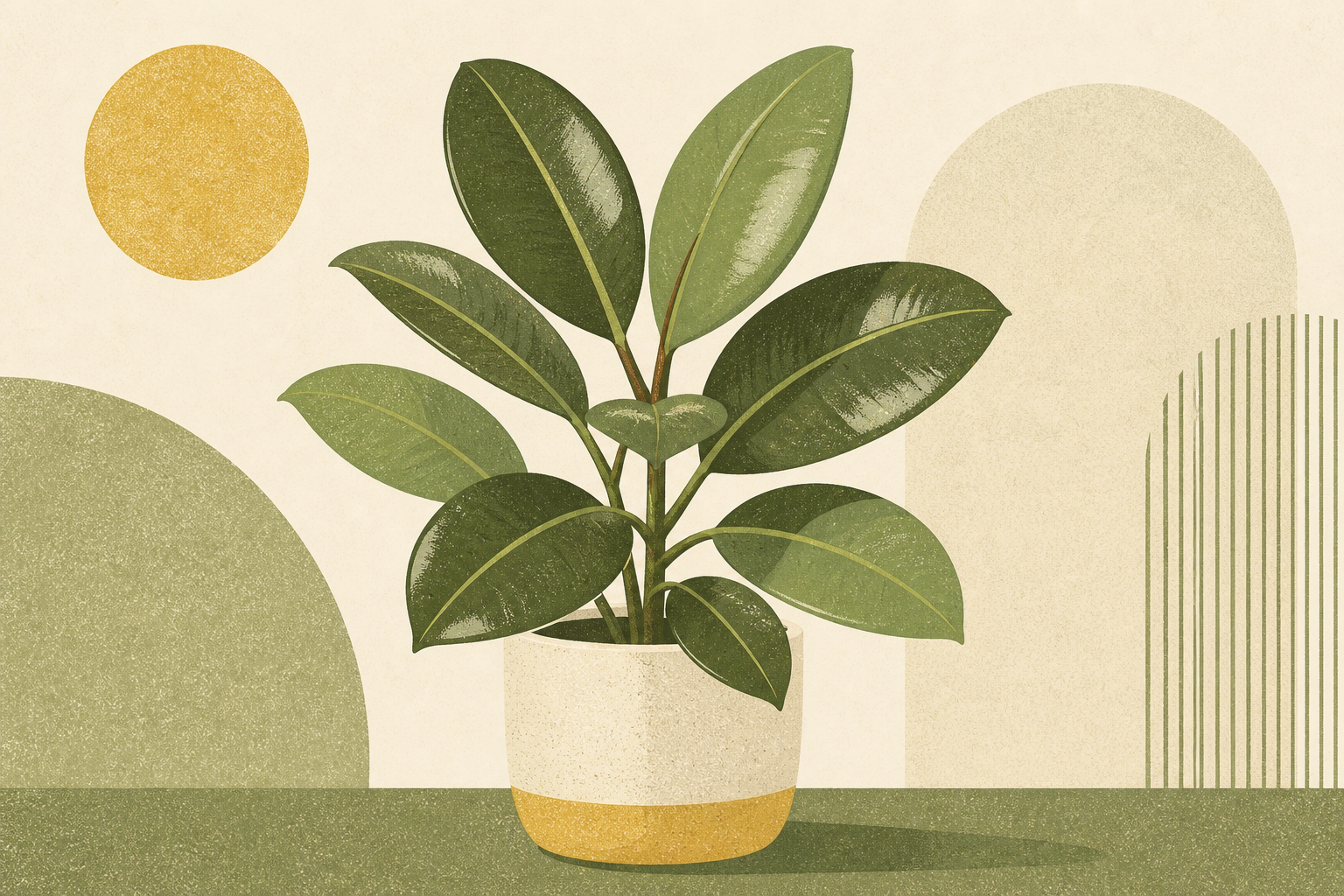
The short answer: Buy a rubber plant with firm stems, clean leaves, and a size you can actually move. Ask for current photos and choose local pickup for tall plants. A low price does not help if the plant arrives with broken branches or pests.
Rubber plants, usually sold as Ficus elastica, are common enough to find locally and handsome enough to be mislabeled as something special. They come as compact starts, branched shrubs, and tall indoor trees. This guide is for buyers who want a healthy plant rather than a heroic rescue project. Sellers can use the same details to make a listing easier to trust.
Find or list houseplants on Plantsnearby with exact photos, real measurements, and a clear handoff plan.
Start with the plant's shape and size
Ask for overall height, pot diameter, and whether the plant is one trunk or several. A tall, branched plant takes years to grow and can be worth more than a small rooted start. It also needs more care during transport.
Look at the stem where it meets the soil. It should be stable rather than wobbling in loose wet mix. A slight lean can be normal. A trunk that seems detached from the root ball is a different problem.
Variegated forms with cream or pink tones can cost more when the photos prove the color. Do not pay a premium for a plant described only as “rare rubber tree.” Name, size, and condition are more useful than hype.
Read the leaves before the caption
Healthy rubber plant leaves are usually thick and firm. A few marks on older leaves are normal. Look more closely at widespread yellowing, limp new growth, sticky residue, fine webbing, or dark spots spreading from the edges.
Ask for a close photo of the newest leaf and the undersides. Spider mites and scale can hide there. A seller who already has those photos is usually easier to buy from than one who only shares a heavily filtered room picture.
Do not confuse a dusty leaf with disease. Dust wipes away. Sticky residue, insects, and a soft black patch do not. If you are unsure, ask a plain question and wait for a plain answer.
Pickup, shipping, and moving day
Small rubber plants ship more easily than tall ones. Large leaves crease and branches snap if a box is too tight. For a floor plant, local pickup lets you inspect the base and carry it upright.
Bring a box or blanket for the pot and secure it on the car floor. Avoid a cold blast from an open window or a hot car parked in the sun. A healthy houseplant can still look rough after a bad two-hour ride.
When shipping is the only option, ask how the seller protects leaves and whether they delay for extreme weather. Our buy houseplants online guide covers the proof and packing questions worth asking before payment.
Roots, soil, and aftercare
You do not need bare-root proof for every everyday plant. For a costly or large rubber plant, a root photo is reasonable. You want healthy-looking roots and mix that drains rather than soil that looks soaked and sour.
After pickup, give the plant a few calm days in bright indirect light. Do not repot, fertilize, and move it around on the same afternoon. A new environment is enough change for one week.
Keep it separate from other plants while you inspect for pests. Our quarantine new plants guide is useful even for a plant bought from a clean-looking home.
Price what is actually there
Compare plants by height, branching, pot size, and condition. A $20 small rooted plant and a $100 tall, branched plant are not competing offers. A bargain is only a bargain if the root system and leaves make the plant worth bringing home.
Sellers should show the exact plant, state dimensions, name the form if known, and mention any cosmetic damage. A short note about local pickup, delivery, or safe shipping removes most of the frustrating back-and-forth.
A quick inspection at pickup
Take a minute before you load the plant. Compare it with the photos, look at the newest leaf, and check whether the trunk is secure in the pot. Ask about any damage you did not see in the listing. This is easier for both sides than discovering a problem in the car later.
Bring the plant home with the pot upright. Large leaves can rub against seat belts, door frames, and loose boxes. If the plant is top-heavy, ask the seller whether they have a spare nursery pot or cardboard collar that will keep the root ball steady.
Once home, place it where it will get steady bright indirect light. A rubber plant does not need an instant new pot, fertilizer, or pruning session after a move. Let it settle, then watch how the newest growth responds over the following weeks.
Common listing mistakes to avoid
For sellers, avoid using a photo of a different, fuller plant to advertise a smaller one. Do not leave out trunk height because it makes a small plant sound larger. If a leaf has a tear or a recent repot has loosened the plant, include it in the description.
Buyers should avoid sending a deposit before the plant form, size, and handoff are settled. A few clear messages can prevent a wasted journey and help both people feel that the price matches the actual plant.
Bottom line
Rubber plant for sale is a practical purchase. Check the leaf undersides, stable trunk, and real size, then choose a handoff that will not damage the plant. Clear photos and honest measurements beat a stylish living-room photo every time.
Frequently Asked Questions
What should I check before buying a rubber plant?
Look for current photos, firm stems, clean leaf undersides, stable soil, and clear size and pickup or shipping details.
Do rubber plants travel well?
Small plants usually do. Tall specimens can lose leaves or snap in transit, so local pickup is often better.
Why are rubber plant prices different?
Size, branching, leaf condition, and variegated forms affect price. Compare plants in the same size class.