Beginner Houseplants Sellers Actually List
Beginner houseplants should be forgiving, clearly photographed, and priced like nursery stock. Here is what buyers and sellers should expect.
By Alex Turner
Plantsnearby is reader-supported. As an Amazon Associate we earn from qualifying purchases. Learn more.
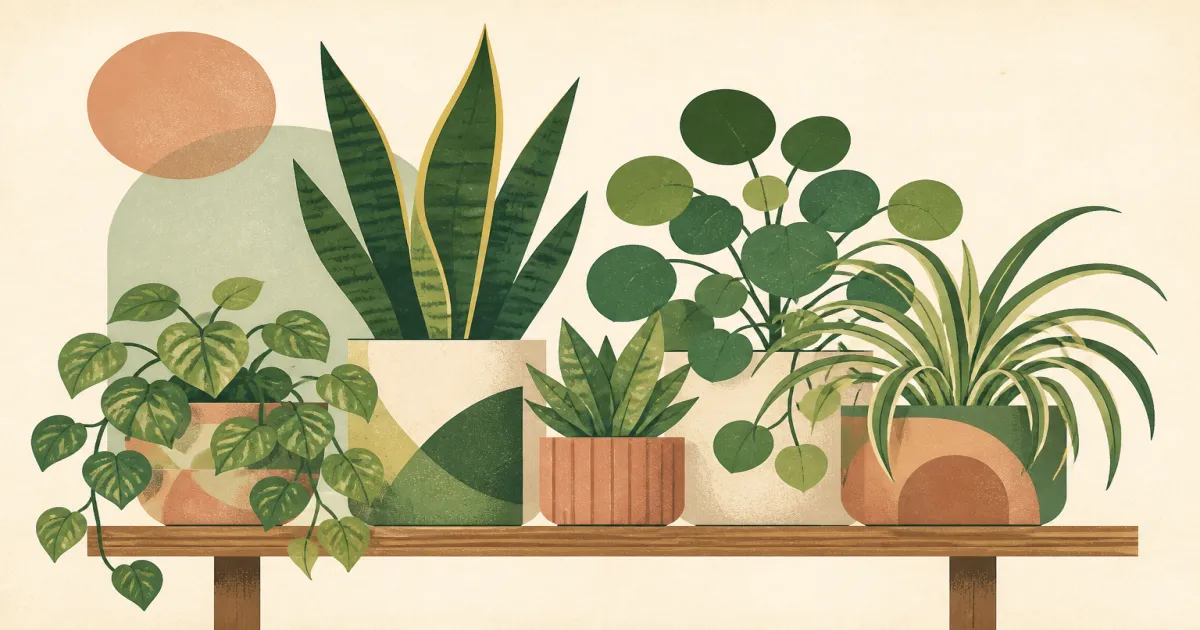
The short answer: Beginner houseplants are the forgiving greens sellers list every week: pothos, spider plants, ZZ plants, snake plants, and common Philodendron or Syngonium forms. Buy rooted plants with exact photos and plain care notes. Treat “easy” as a care claim, not a guarantee the plant arrives perfect.
This guide helps buyers pick sturdy first plants and helps sellers write listings that match what beginners actually need. Soft next step: find or list beginner-friendly stock on Plantsnearby with clear photos and pickup or ship terms. Named next reads include Boston fern for sale, prayer plant for sale, and dracaena for sale.
What “beginner” should mean in a listing
Beginner means the plant tolerates imperfect watering and average indoor light better than soft collector forms. It does not mean zero care. It does not mean the seller can skip photos.
A useful beginner listing names the plant, shows the exact pot you will receive, and says whether it is rooted or a cutting. If the caption only says “rare houseplant” with no ID, walk away or ask. Common greens should cost nursery money. Save collector prices for named variegates with proof. Our buy houseplants online guide covers the wider online checklist.
Plants sellers actually list for beginners
These show up often in local marketplaces and online plant sales because they root or recover well and photograph clearly:
- Pothos for sale and other Epipremnum greens
- Spider plant for sale pups and mothers
- ZZ plant for sale and snake plant for sale divisions
- Peace lily for sale when you want a foliage plant that also blooms
- Jade plant for sale and other firm succulents
- Chinese money plant for sale mothers and rooted pups
- Air plants for sale when leaves look firm
- Common Philodendron heartleaf types
- Green or lightly pink Syngonium
- Peperomia and basic tradescantia when shown honestly
You will also see cuttings of the same plants. That is fine when the listing says “cutting” and shows the node. It is a problem when a buyer expects a full pot and gets one stem in a bag. Match form to price the same way you would for plant cuttings for sale.
Photos that help a first-time buyer
Beginners need clearer photos than collectors, not fewer. Collectors already know what a wet stick looks like. First-time buyers do not.
Ask for:
- A full-plant shot in normal room light
- A close leaf shot so color and damage are honest
- Pot size or a scale reference
- Roots or soil surface if the plant is freshly repotted
Stock photos belong on catalogs, not on a one-off local listing. If you are selling, take the photo of the plant that will leave your house. If you are buying, treat “similar to” language as a soft no unless the price is tiny.
Care notes that prevent returns
A short care line beats a novel. Light preference, watering pace, and pet toxicity if you know it are enough. “Bright indirect” without saying what that means in a real apartment helps nobody. “East window or a few feet from a south window” is better.
Sellers: if the plant has been living in a humid bathroom or under a grow light, say so. Buyers will fail the plant if they copy a care tip that does not match your setup. Buyers: ask where the plant lived for the last month. That answer predicts success more than a generic care card.
Local pickup vs shipping for easy plants
Beginner houseplants often travel fine, but local pickup still wins when you can do it. You see stem firmness, soil moisture, and pests before money changes hands. Use the same meetup habits as evaluate a local plant seller and keep handoffs simple.
If the plant ships, insist on barely damp soil, upright packing, and a weather-aware send date. Easy plants still cook in a hot truck. Soft tips and freshly watered pots fail faster than dryish snake plants. When a seller refuses a heat week, that is a good sign.
Price ranges that make sense
Do not treat beginner houseplants like Albo cuttings. A grocery-store-sized pothos should not carry a collector caption. A well-grown specimen in a larger pot can cost more than a small starter, and that is fair when the photos show the size.
Cuttings should cost less than established plants of the same type. Pups and divisions should note how many growth points you get. If two listings claim the same plant at wildly different prices, compare pot size, rooting, and whether you are buying one plant or a tray.
What beginners should skip at first
Soft velvet Anthuriums, unstable variegates, and anything that needs a sealed bin are advanced buys. You can still enjoy them later. First, learn how your home’s light and watering rhythm behave with tougher greens.
Also skip mystery mixes of unlabeled cuttings unless the price is clearly a learning bag and you want practice. Unlabeled is fine for experiments. It is a poor first “statement plant” purchase.
Seller checklist for beginner listings
If you sell beginner houseplants, keep the listing boring on purpose:
- Name the plant in plain words
- Show the exact plant or cutting
- State rooted vs unrooted
- Add one honest care line
- State pickup window or ship rules
- Price like the form you are selling
That checklist builds trust faster than hype. For wider selling habits, see how to sell plants.
After you bring it home
Keep the new plant away from your existing shelf for a short quarantine. Check leaf undersides and new growth. Water only when the pot needs it, not on a fixed “every Sunday” habit that ignores soil moisture.
If you bought a cutting, set up a simple rooting method and wait. Do not judge a cutting by day three. Our rooting guide walks through water, moss, and soil options without treating every stem the same.
Bottom line
Beginner houseplants work when the listing is specific and the plant is sturdy. Buy exact photos, plain IDs, and clear handoff terms. Compact peperomia for sale listings are a common next step once you want a small patterned plant with the same honesty checks. Sellers who write those listings get fewer awkward messages and more repeat buyers. Find or list beginner-friendly plants on Plantsnearby, then quarantine anything new before it joins the rest of your collection.
Frequently Asked Questions
What are the best beginner houseplants for a first buy?
Look for sturdy foliage plants with clear ID and recent photos: pothos, spider plant, ZZ, snake plant, and common Philodendron or Syngonium greens. Skip soft collector forms until you know your light.
Are beginner houseplants cheaper online than in stores?
Sometimes, especially for cuttings and local pickup. Shipping can erase the savings. Compare the full plant, pot size, and delivery method, not just the sticker price.
Should beginners buy cuttings or rooted plants?
Rooted plants are easier for first buys. Cuttings work if you want practice and lower prices, but they need a rooting setup and patience. See our rooting guide if you go that route.
How do I know a beginner plant listing is honest?
Exact-plant photos, a plain care note, and clear pickup or ship terms. Vague “rare” labels on common greens are a warning.
Do beginner houseplants still need quarantine?
Yes. Easy plants can still carry pests. Keep new arrivals separate for a couple of weeks and check the undersides of leaves.