Croton for Sale: Buyer Checklist for Colorful Leaf Plants
Croton color looks dramatic in photos. Before you buy, check the exact leaves, stem firmness, and whether the plant can handle the ride home.
By Alex Turner
Plantsnearby is reader-supported. As an Amazon Associate we earn from qualifying purchases. Learn more.
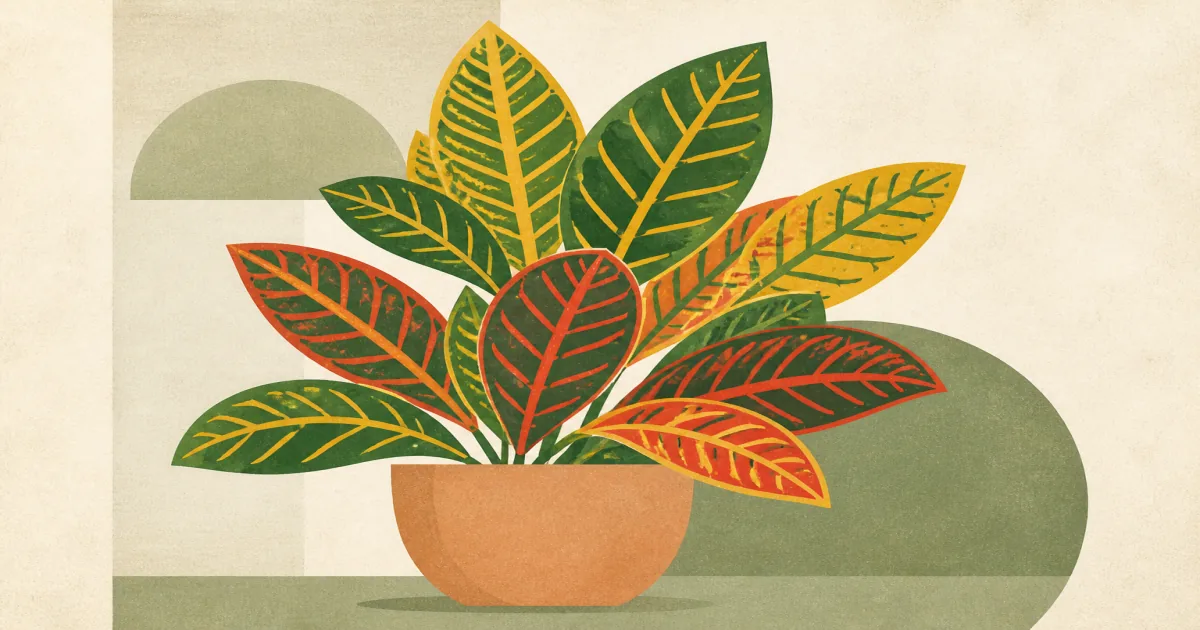
The short answer: A good croton for sale listing shows the exact plant’s leaf color, firm stems, clean undersides, and a pickup or shipping plan that will not shred brittle foliage on the way.
Crotons sell on color. Yellow veins, orange flares, and deep red margins look great in a feed, which is also why buyers get burned by outdated photos and stressed plants that already dropped half their leaves. This guide helps buyers judge the real plant. Sellers can use the same checklist so the listing matches what arrives.
If you are comparing other colorful foliage plants, caladium for sale and bird of paradise for sale cover different leaf habits and shipping risks. Croton is its own product: woody stems, stiff patterned leaves, and a short temper after big moves.
Match the leaf pattern to the plant in front of the camera
Croton cultivars vary a lot. Some leaves are narrow and ribbon-like. Others are broad and almost oak-shaped. Color can run from mostly green with yellow veins to heavy red and orange blotches. Ask for a current daylight photo of the exact plant, not a nursery catalog shot.
If the seller says the plant “gets more colorful in better light,” that can be true over time. It should not excuse a dull, soft plant sold as if it already looks like the hero image. Pay for the leaves you can see now.
Request one underside photo when the price is higher or the plant looks crowded. Spider mites love the dry, dusty look of stressed crotons. Fine stippling and webbing are walk-away signals unless you knowingly buy a project plant.
Check stems and leaf firmness, not only color
Bright color does not prove health. Press the seller for stem details. Healthy croton stems should look firm and upright. Soft tips, wrinkled petioles, or a canopy that droops between watering events deserve more questions.
A few lower yellow leaves can happen as the plant adjusts. Heavy leaf drop already visible in photos is different. Ask when the plant was last watered, whether it recently moved from a greenhouse, and whether any leaves have been shedding this week.
Do not ignore the pot. A croton jammed into bone-dry nursery soil can look colorful and still be one dry day from a bigger drop. A soggy pot can rot the base while the top still looks painted. Ask how the mix drains and whether the nursery pot has open holes.
Decide if you want a compact plant or a tall specimen
Croton for sale listings usually fall into:
- Small starter pots with a few colorful leaves
- Mid-size bushy plants for a bright window
- Tall specimens that need careful transport
All three can be fair. They should not share one price. Tall plants cost more to move safely and lose leaves more dramatically after a rough ride. If you want color on a desk, buy the compact plant. If you want a floor accent, confirm height and canopy width in numbers, not adjectives.
Compare a few listings of similar size before you commit. On Plantsnearby, the cleaner photos usually beat the flashiest caption.
Pickup and shipping for crotons
Local pickup is often the smarter path. Croton leaves can snap or crease when a box is too tight or the plant tips over. Bring a tote that keeps the canopy from rubbing the car seat, and avoid baking the plant in a closed car.
Shipping can work for compact plants in mild weather. Ask how the seller sleeves or paper-wraps the foliage, whether the pot is secured, and whether they pause for heat or cold. Soft or waterlogged plants should not enter a multi-day truck. Read how to ship plants if you want the packing questions in one place.
After arrival, give the plant bright light and a short quarantine away from your main shelf. See quarantine new plants. Expect some leaf protest after a move. What you do not want is a plant that was already collapsing before it left the seller.
What sellers should show
Sellers can make croton listings easier to trust with:
- A full plant photo in ordinary light
- One closer leaf view that shows the real pattern
- A short note on recent leaf drop, if any
- Pot size and approximate height
- Pickup or packing terms in plain English
That gallery answers most buyer questions before the first message. It also keeps people from expecting a tall floor plant when the listing is a small starter.
Light and placement after you buy
Crotons usually need brighter light than people expect from a “colorful houseplant” label. Low light can fade the pattern and encourage leaf drop. That does not mean you should blast a stressed new plant with hot midday sun on day one. Give it a bright spot, then adjust slowly if the leaves bleach.
If you already keep easier plants like a rubber plant for sale specimen or a ZZ plant, do not assume croton wants the same dark corner. Ask the seller what light the plant had. Matching that for the first week reduces drama.
Keep pets and kids in mind too. Croton sap can irritate skin and is not a snack plant. We are not writing veterinary advice here. Just do not treat colorful leaves as edible décor.
Price the color you can actually see
A full, firm plant with clear patterning should cost more than a thin starter that still needs light to color up. Cheap can be a good deal when the seller is honest about size and stress. What is not a good deal is paying for catalog color while the real plant looks soft, pest-marked, or half bare.
Compare at least two or three croton for sale listings of similar height before you pay. Look past the brightest leaf and judge the whole canopy, the stem firmness, and the handoff plan. On Plantsnearby, the listing with ordinary daylight photos usually beats the one with heavy filters and vague size language.
If you are choosing between similar options, pick the one with daylight photos, firm stems, and a realistic pickup or packing note. Soft next step: find or list a croton with those details already written into the description.
Frequently Asked Questions
What is a croton plant?
Croton usually means Codiaeum variegatum, a tropical shrub grown indoors for bold yellow, orange, red, and green leaf patterns.
What should I check before buying croton for sale?
Ask for current photos of the exact plant, look for firm leaves and stems, check undersides for pests, and confirm pickup or shipping terms.
Why do crotons drop leaves after moving?
They often sulk when light, temperature, or watering changes suddenly. That does not always mean the plant is doomed, but soft stems or heavy leaf loss before sale still deserve questions.
Do crotons ship well?
Sometimes, when packing protects the brittle leaves and weather is mild. Tall plants with many soft leaves are riskier than compact pots.
Are all colorful leaf plants crotons?
No. Caladiums, some Aglaonema, and other foliage plants can look similar in a quick scroll. Confirm the leaf shape and stem structure.
Is local pickup better for croton?
Often yes. You can inspect leaf firmness and pests in person, then keep the pot upright on the way home.
Are crotons good for beginners?
They can be, if you give bright light and steady conditions. They are less forgiving of dark corners than a snake plant or ZZ plant.