Prayer Plant for Sale: What Buyers Should Verify
Prayer plant listings often mix Maranta with lookalike patterned plants. Check the leaf pattern, undersides, and handoff terms before you buy.
Plantsnearby is reader-supported. As an Amazon Associate we earn from qualifying purchases. Learn more.
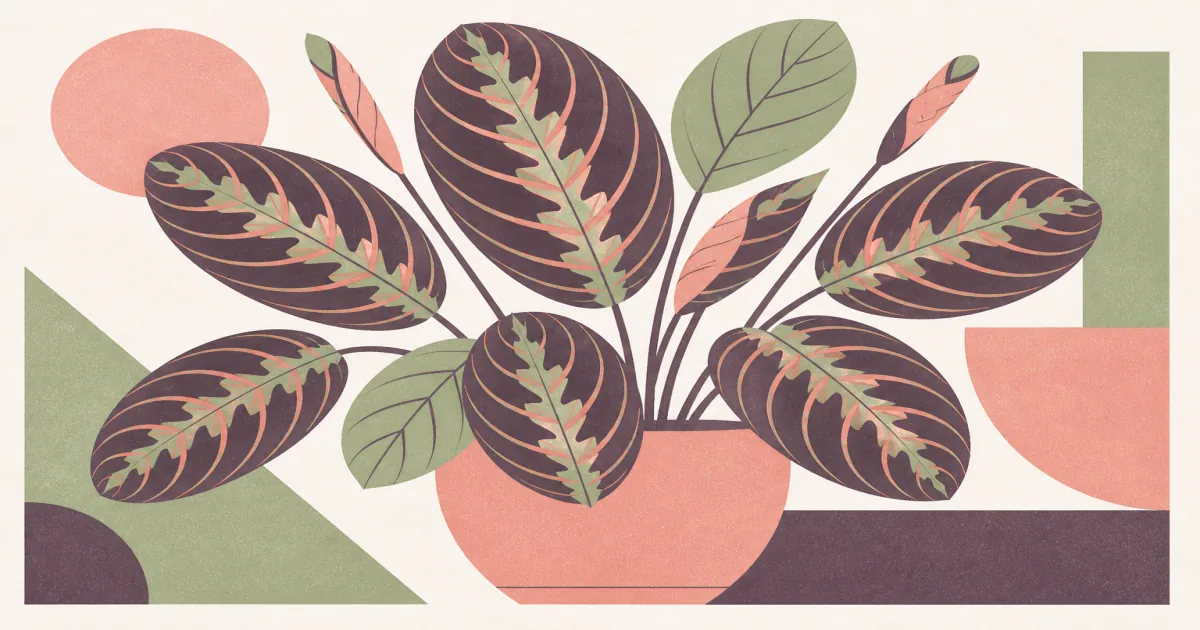
The short answer: A good prayer plant for sale listing shows the exact Maranta plant, clear leaf pattern photos, clean undersides, and pickup or shipping terms that match soft, patterned foliage.
Prayer plant usually means Maranta, the patterned houseplant people buy for the leaf art and the night-fold habit. Search results often mix Maranta with calathea for sale and other patterned foliage, so confirm the leaf shape before you compare prices. This guide is for buyers first. Sellers can use the same checklist so the listing matches the plant that leaves the shelf.
If you want a different patterned leaf look, calathea and oxalis triangularis for sale are separate products. Prayer plant shopping goes better when the title, photos, and care notes all point to the same plant.
Confirm Maranta, not a vague “prayer plant” caption
Ask the seller to name the plant plainly. “Pretty prayer plant” is too soft. “Maranta leuconeura, red vein form, about 6 inches in nursery pot” is a listing. That clarity also helps when several patterned plants sit next to each other in a feed.
Look at the leaves. Many Maranta forms show herringbone veins, painted blotches, or feathered patterns on oval leaves that sit more or less flat during the day. Calatheas can look similar in a quick scroll, but the growth habit and leaf reverse often differ. If the photos look like a tall upright calathea or a clover-like Oxalis, you are not looking at a classic Maranta deal.
Request a daylight photo without heavy filters. Pattern detail gets lost in warm Instagram glows. You are buying the leaves you can see now, not the leaves the plant might grow later in better humidity.
Check leaf condition and undersides
Healthy prayer plant leaves look firm and patterned, not papery or heavily curled. A few older brown edges can happen in dry rooms. Spreading crisp, sticky residue, fine webbing, or pale washed-out new growth are walk-away signals unless you knowingly buy a project plant.
Ask for at least one underside photo. Mites and soft pests hide there, and the reverse pattern helps confirm the form. If a seller refuses undersides on a higher-priced plant, believe the refusal.
Also ask how the mix drains. Prayer plants dislike sitting in swamp water, and they also dislike bone-dry peat that collapses between waterings. Soft stems near the soil line are a bigger warning than one older marked leaf.
Decide if you want a rooted pot or a cutting
Prayer plant for sale listings usually fall into:
- Small rooted starters
- Fuller table plants with several stems
- Cuttings sold rooted or unrooted
All three can be fair. They should not share one price. A cutting is a start, not a finished table plant. If the seller says “plant” while showing a single stem in a bag, ask for the form in writing. Pair cutting deals with the same proof habits you would use on other starts: current photos, node or root proof, and packing notes.
Compare similar sizes before you commit. On Plantsnearby, the cleaner daylight gallery usually beats the flashiest caption.
Pickup and shipping for prayer plants
Local pickup is often smarter for soft patterned leaves. You can check pests, curl, and soil moisture in person, then keep the pot upright on the ride home. Bring a small box or tote so leaves do not rub a car seat for twenty minutes.
Shipping can work for compact rooted plants in mild weather. Ask how the seller sleeves the foliage, whether the pot is secured, and whether they hold for heat or cold. Thin leaves mark and dry out in long dry boxes. Read how to ship plants for the packing questions worth asking.
After arrival, quarantine away from your main shelf for a week or two. See quarantine new plants. Expect some leaf protest after a move. What you do not want is active pests or a plant that was already collapsing in the seller photos.
What sellers should show
Sellers can make prayer plant listings easier to trust with:
- A full plant photo in ordinary light
- One closer leaf view that shows the real pattern
- One underside shot
- Pot size and approximate spread
- Rooted plant vs cutting stated in plain English
- Pickup or packing terms buyers can understand on the first read
That set answers most buyer questions before the first message. It also stops people from treating your Maranta listing as a calathea substitute. If you want a broader buyer checklist for scarce or patterned stock, see how to vet a rare plant listing.
Care honesty after the sale
Prayer plants usually want warmer rooms, steadier moisture, and less dry vent air than people expect from a “cute patterned plant” label. That does not mean you need a greenhouse. It does mean a dark, dusty corner next to a heater is a bad first home.
Ask the seller what light and watering the plant had. Matching that for the first week reduces drama. If you already keep easier plants from beginner houseplants, do not assume Maranta wants the same dry-down cycle as a snake plant.
Keep pets and kids in mind around soft leaves that look snackable. We are not writing veterinary advice here. Just do not treat patterned foliage as edible décor.
Price the pattern and fullness you can see
A full, firm Maranta with clear patterning should cost more than a thin cutting or a stressed plant with mostly crispy edges. Cheap can be a good deal when the seller is honest about form and condition. What is not a good deal is paying for catalog pattern while the real leaves look dull, pest-marked, or half curled shut.
Compare at least two or three prayer plant for sale listings of similar size before you pay. Look past one dramatic leaf and judge the whole plant, the undersides, and the handoff plan. On Plantsnearby, ordinary daylight photos usually win.
If you are choosing between similar options, pick the one that names Maranta clearly, shows undersides, and states pickup or packing without slang. Soft next step: find or list a prayer plant with those details already written into the description. For broader shopping habits, see buy houseplants online.
Frequently Asked Questions
What is a prayer plant?
Prayer plant usually means Maranta leuconeura and related Maranta forms. Leaves often fold upward at night, which is where the common name comes from.
What should I check before buying prayer plant for sale?
Ask for current photos of the exact plant, confirm the leaf pattern, check undersides for pests, and get clear pickup or shipping terms.
Is a prayer plant the same as a calathea?
No. They are related and both have patterned leaves, but Maranta and Calathea are different plants with different care and listing habits. Do not treat those titles as interchangeable.
Why do prayer plant leaves look curled or crispy?
Dry air, uneven watering, and rough transit can curl or brown the edges. A few older marks can be cosmetic. Widespread crisp and pale new growth deserve questions.
Do prayer plants ship well?
Compact rooted plants can travel in mild weather when packing protects soft leaves. Thin foliage marks easily, so local pickup is often safer.
Are prayer plants good for beginners?
They can be, if you keep moisture steadier than a cactus shelf. They are usually less forgiving than pothos or ZZ, but clearer than the fussiest calatheas for many growers.
Can prayer plants be sold as cuttings?
Yes. Rooted and unrooted cuttings exist. A good cutting still needs a healthy stem section and clear photos of the exact piece for sale.