Tissue Culture Plants for Sale: What Buyers and Sellers Should Know
Tissue culture plants for sale are lab-grown starters, not mature show plants. Here is how buyers and sellers set expectations so the price matches the product.
By Jordan Wells
Plantsnearby is reader-supported. As an Amazon Associate we earn from qualifying purchases. Learn more.
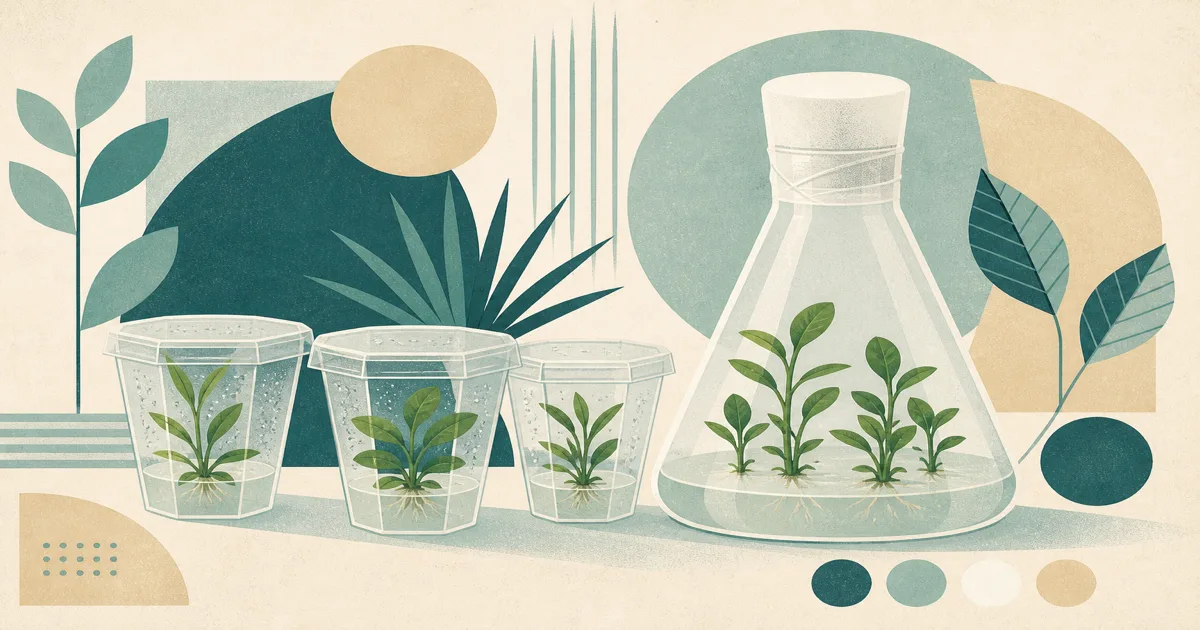
The short answer: Tissue culture plants for sale are young lab-grown starters. Buyers should expect hardening time and small size. Sellers should label TC clearly, show the exact cup or plantlet, and price the stage they are selling, not a mature show plant.
Tissue culture (TC) shows up everywhere in rare plant markets. Sellers love the clean starts. Buyers love lower entry prices on cultivars that used to stay scarce. Deals go wrong when someone treats a TC plug like a mother-plant specimen. This guide is for both buyers and sellers.
Find or list TC and mother-plant stock on Plantsnearby with stage-honest photos.
What tissue culture actually is
Tissue culture plants are grown from plant tissue in sterile lab conditions, then sold in gel, flasks, or after some hardening in plugs and cups. You are buying a starter with a cultivar name and a growth timeline ahead of it.
That is different from a cutting taken from a mature mother plant. Both can be good products. They are not interchangeable on price or risk. Our plant cuttings for sale guide covers mother-plant starts. Keep the two lanes labeled.
“Tissue culture plants for sale” should say TC in the title or first line. If the listing hides origin, ask. Origin changes how fast the plant may look like the photos in your head.
Buyer checks before you pay
Ask for the stage: flask, freshly deflasked, hardened plug, or already potted. Ask for a photo of the exact cup or plantlet you will receive.
Mature leaf photos are useful as a reference. They are not proof of the plant in the box unless the seller says you are buying that mature plant. Many disputes start when a buyer pays TC prices while imagining a mother-plant canopy.
Check shipping season. Tiny plantlets dry out or cook faster than chunky rooted aroids. Ask about packing and weather holds. Soft next reading: how to vet a rare plant listing.
If variegation or pattern is the whole reason you are buying, ask how stable the seller believes the form is and whether they have mature photos from the same line. Young TC leaves can look quieter than adult leaves.
Seller listing habits that prevent refunds
Say tissue culture in plain English. Add the hardening stage. Show the exact inventory, not a greenhouse hero shot from another vendor.
Price the work already done. A sealed flask, a hardened plug, and a six-month potted plant are three products. Use how to price plants for sale comps for the stage you hold, not for a mature plant you wish you had.
Include aftercare notes you actually use: light, humidity steps after opening a flask, and when you move plantlets to chunkier mix. Buyers forgive small size. They do not forgive surprise.
Do not reuse one perfect mature leaf across twenty TC cups. Buyers notice. Trust drops. List each batch with current photos.
Hardening and aftercare expectations
Fresh TC stock often wants higher humidity at first, then a gradual move toward normal room air. Rushing that step causes melt. Going too slow in a swampy cup causes rot. Ask the seller what schedule worked for this batch.
Do not fertilize hard in week one. Let roots explore. Keep light bright but not harsh midday sun on soft lab leaves.
Run a short quarantine new plants window even when stock is “lab clean.” Boxes stop on porches. Packing materials are not sterile forever.
If leaves melt after deflasking, document with photos and compare to the listing stage. Some melt is user error. Some is a weak batch. Clear stage labels make that conversation fairer.
Price logic for both sides
TC often undercuts mother-plant cuttings on the same cultivar name because you buy youth and wait time. That can be a smart buy if you want volume or a project plant.
It is a bad buy if you needed a display plant for this month’s shelf photo. Say your goal out loud before you pay. Sellers hear “I want a show plant” and should steer you to rooted mother stock or a different listing.
Scarce names still command premiums in TC when demand is hot. Premium without stage honesty is how marketplaces fill with arguments. Rare plants for sale buyers already expect proof. Give them stage proof too.
When TC is the better buy
Choose tissue culture when you want a named cultivar at a starter price, you can wait for size, and you are comfortable with a hardening routine. It is also useful when you want several plantlets of one form for a shelf project.
Skip TC when you need a gift-ready display plant this week, when you hate humidity tinkering, or when the listing will not say what stage you are buying. In those cases, pay for a rooted mother-plant cutting or an established pot instead.
Sellers can help by offering both lanes when they have them: a TC cup for project buyers and a rooted cutting for buyers who want faster foliage. Label each clearly so nobody feels baited.
Red flags
Listings that show only mature plants while selling cups. Sellers who will not say TC when asked. Prices that match established plants for clearly tiny plugs. No packing plan for warm weeks.
Buyers who demand mature-plant refunds on clearly labeled TC also create noise. Read the stage line before you purchase.
Watch for flask photos borrowed from a wholesaler while the seller ships something else. Ask for a photo of your exact cup with a handwritten date when the price is high. Exact inventory photos keep both sides honest.
If a seller uses “TC” and “mother plant” in the same sentence without explaining which product you get, pause. Origin should be one clear line, not a fog of marketing words.
Soft next steps
Compare tissue culture and mother-plant listings on Plantsnearby. Sellers should pair this guide with how to price plants for sale and plant cuttings for sale before the next batch goes live.
Frequently Asked Questions
What are tissue culture plants for sale?
Lab-grown plantlets sold in gel, flasks, or hardened plugs. They are starters, not mature display plants.
Are tissue culture plants cheaper than mother-plant cuttings?
Often yes for the same cultivar name, because you buy a young plant that still needs hardening and growth time.
Do TC plants stay identical forever?
Most stay true to type, but young leaves can look different from mature foliage. Ask for mother or mature reference photos when pattern matters.
How should sellers list tissue culture plants for sale?
Say TC clearly, show cup or flask photos, note hardening stage, and price the stage you are selling, not a mature plant photo.
Should I quarantine tissue culture plants?
Yes. TC stock is usually clean, but packing and greenhouse stops can still introduce pests. Keep a short quarantine habit.