Pink Princess Philodendron for Sale: What Buyers Should Verify
Pink Princess Philodendron for sale can mean a high-pink show leaf or a greener cutting. Verify newest growth, form, and handoff terms before the price makes sense.
Plantsnearby is reader-supported. As an Amazon Associate we earn from qualifying purchases. Learn more.
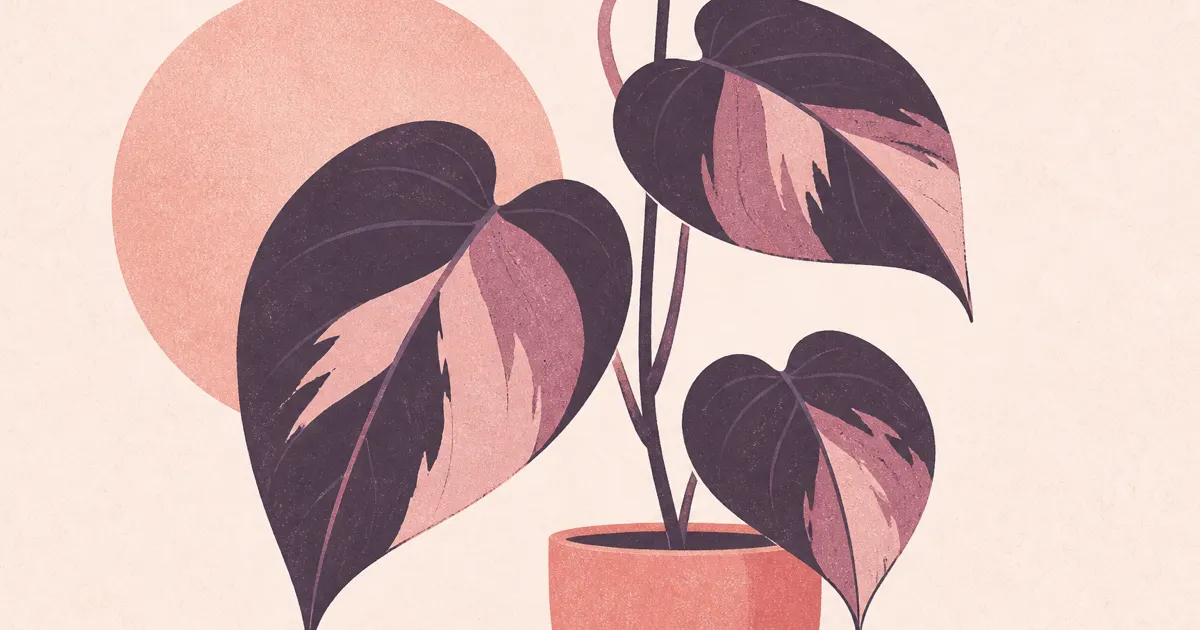
The short answer: Pink Princess Philodendron for sale can mean a high-pink climbing plant or a greener one-node cutting. Before you pay, verify exact-plant photos of the newest leaf, rooted versus cutting form, and clear pickup or shipping terms. Do not pay show-leaf prices for a mostly green start.
Pink Princess (Philodendron erubescens ‘Pink Princess’) is one of the collector Philodendrons people search by name. This guide helps buyers sort listing quality. Sellers can use the same checklist so pink claims match the plant that leaves the shelf.
Soft next step: find or list Pink Princess on Plantsnearby with exact-plant photos.
Know which Pink Princess market you are in
This is a named variegated Philodendron, not a generic pink houseplant. Prices track how much stable pink you can see on current growth, plus whether you are buying a cutting or a rooted climber.
A listing that only says “rare pink philodendron” without cultivar proof is incomplete. Other pink-blushed aroids exist. If you want Pink Princess, ask for the name and photos of that plant. Broader philodendron for sale habits still apply.
Tissue-culture juveniles and established collector plants are different products. Neither is automatically better. They need honest labels. A juvenile plant can color up with time. An established cutting with proven pink can move faster. The listing should say which one you are getting.
Photos that actually help
You want a full-plant shot, a clear newest mature leaf, and at least one stem or node close-up. Pink on an old hero leaf is not enough. Ask for the newest leaf on purpose.
Stock photos and “similar to” language are warnings when the price is high. Exact-plant photos are the baseline. If the seller will not send a current shot, walk away.
Watch for yellowing at the soil line, soft stems, sticky residue, and webbing. Cosmetic scars on older leaves are normal. Active pests and rot are not.
Compare honesty standards with how to vet a rare plant listing and variegated plants for sale. The pink tax only makes sense when the newest leaf supports it.
Read the newest pink, not the hero leaf
Buyers chase the flashiest older leaf and ignore what the plant is pushing now. Ask whether the newest leaf is pinker, similar, or greener than older leaves.
High-pink tissue can look stunning and still be fragile. Leaves with almost no green supporting tissue can crisp or stall. Balanced pink with firm green is often a more durable plant. Neither extreme is a moral score. Both need honest photos.
Filters and harsh sun distort pink. Ask for an unfiltered daylight shot when the color looks neon. Sellers who already shoot clean galleries make this easy.
“Stable pink” is a useful conversation, not a lifetime guarantee. “Newest leaf shown in photo 3” is a serious answer. “Promise it will never revert” is not a serious request.
Cutting vs rooted plant pricing
An unrooted node or wet stick is a different product from a potted climbing plant. Pay for what you are getting. Ask about node count, whether the cutting includes a leaf, and how recently it was taken.
Rooted plants should show firm growth and a pot that is not swampy. Ask when it was last watered and whether the seller ships in soil or wrapped cuttings.
Unrooted cuttings should cost less than established plants of the same pink class. If prices look identical, ask why. Our plant cuttings for sale guide covers the labels buyers should see.
No node means no reliable new plant. A pretty pink leaf alone is not enough. That is a top buyer mistake, and it is avoidable.
Local pickup vs shipping
Local pickup lets you check pink under real light and refuse soft or pesty plants on the spot. That is ideal for expensive high-pink specimens. Use buy plants near me habits for meetup logistics.
Shipping can work for compact cuttings and smaller rooted plants in mild weather. Ask how the seller packed the last Pink Princess that arrived alive. Vague answers on a soft climbing stem are a bad sign.
Heat cooks pink tissue. Cold can blacken new leaves in thin boxes. Ask about weather holds. A patient seller who waits for a milder week is usually a better partner than one who ships into a heat wave for speed.
For family context, keep the aroid plants guide nearby. Pink Princess is still an aroid with the same pest and packing realities.
Pests and quarantine
Mealybugs, thrips, and spider mites show up on Philodendron more often than sellers admit. Check leaf undersides and stem joints in the photos. Ask for an underside shot if the price is more than pocket change.
Quarantine new arrivals away from your collection for a couple of weeks. Our quarantine new plants habit is simple and saves expensive neighbors.
If pests appear after delivery, document with photos quickly and follow the seller’s stated policy. Clear policies in the listing are a trust signal before you buy.
Price sanity checks
Compare a few local and online listings of the same form and pink class. Huge gaps without better photos or roots usually mean hype or a recycled hero leaf.
Nursery-style TC starters should not cost established climbing-plant money. Large plants with clean, current pink can cost more when roots and stems look healthy.
If a deal feels too cheap for a high-pink climber, check shipping distance and season. Cheap plus rough packing is often expensive after DOA drama.
What sellers should put in the listing
Name Pink Princess, show exact-plant photos including the newest leaf, state rooted or unrooted, list pot size or node count, and spell out pickup or shipping terms. Buyers reward clarity.
Add one sentence if the newest leaf is greener than older leaves. That one line prevents angry messages later.
Soft next step for sellers: list the exact plant on Plantsnearby with current photos and honest pink notes.
Bottom line
Pink Princess Philodendron for sale is easy to overpay for when photos stop at one dramatic old leaf. Verify the newest growth, pay for the form you are getting, and keep handoff terms clear. Current pink beats a recycled caption every time.
Frequently Asked Questions
What should I check before buying pink princess philodendron for sale?
Confirm current photos of the exact plant, pink on the newest leaf, rooted versus cutting form, and how it will ship or hand off.
Why do Pink Princess prices vary so much?
High-pink established plants cost more than greener cuttings. Tissue-culture juveniles and one-node starts should cost less than a climbing specimen.
Is a mostly green Pink Princess a scam?
Not always. Newest growth can run greener. Ask for the latest leaf on purpose and price the plant you see, not the plant in an old photo.
How is this different from other pink Philodendrons?
Pink Princess is a specific Philodendron erubescens cultivar. Other pink-blushed plants are not the same product. Buy the named plant in the photos.
Do Pink Princess cuttings ship well?
Compact cuttings often ship better than large soft leaves. Weather holds matter. Local pickup is safer for expensive high-pink plants.